Scroll through a classic Southern diner menu in Indian Trail and, between the country style steak and the fried flounder, you will find souvlaki, a traditional Greek salad, and a sauce made from cucumbers and yogurt. It can look like a menu that could not decide what it wanted to be. It is actually one of the most consistent patterns in American restaurant history, and the combination works better than it has any right to.
Here is where the Greek thread in diner cooking came from, what the key dishes actually are, and how to order them well.
How Greek cooking got into Southern diners
Through much of the twentieth century, Greek immigrant families ran a large share of America's diners and lunch counters. They cooked the local food their customers wanted, meat-and-two plates, burgers, fried seafood, and they also kept a corner of the menu for their own cooking. The result, repeated in thousands of towns, is the diner most Southerners grew up with: Southern home cooking on one page, Greek standards on the next, and nobody finding it strange.
North Carolina fits the pattern neatly. Its diners absorbed Greek salads, marinated pork, and pita sandwiches so completely that many regulars order them without thinking of them as anything but diner food. That is the sign of a successful transplant.
The three builds worth knowing
Souvlaki is marinated pork tenderloin, grilled and served with pita bread and cucumber sauce. The marinade, typically lemon, olive oil, garlic, and oregano, does the work, tenderizing the meat and seasoning it through. Eaten folded into the warm pita with the cool sauce, it is the lightest full plate on most diner menus and a genuinely different lunch from a burger.
The Greek salad is the second build: a chopped salad with feta, olives, peppers, and a vinaigrette rather than a creamy dressing, often topped with grilled chicken as the Greek 'N Chick variation. And the cold plates and club sandwiches show the same kitchen logic, protein salads and stacked sandwiches built at the cold station while the grill handles the hot plates.
Ordering across the whole menu
The Greek items reward ordering at lunch, when the marinade has had the morning to work and the grill is at full rhythm. Pair souvlaki with a Greek salad instead of fries once and you will understand why the combination survived. If you are ordering for a table, one Greek salad shared family-style next to a pile of fried shrimp is the most diner sentence imaginable, and it works.
What to skip: asking the kitchen to merge the traditions on one plate. Greek marinade on fried flounder is nobody's tradition. Order each side of the menu on its own terms and the meal makes sense as what it is, two food cultures that have shared a kitchen in places like Indian Trail for longer than most of us have been eating out.
The cold station is the Greek station
Watch a diner kitchen at lunch and you can see the two traditions divide the labor. The grill cook runs the Southern side: meats, eggs, grilled sandwiches. The cold station, where salads are built and sandwiches are stacked, is where the Greek side mostly lives. Greek salads, cold plates of tuna and chicken salad, club sandwiches, and the cucumber sauce for the souvlaki all come off that station, assembled to order but never cooked, which is part of why a diner can serve both menus without slowing down.
That division explains the menu's balance on a hot Piedmont day. When Union County is sitting in the mid nineties and the grill line is radiating heat, the cold station's food, a Greek salad with grilled chicken, a cold plate with potato salad and slaw, is not the lighter compromise. It is the plate the kitchen is best built to serve at that moment. Regulars who rotate with the weather are not being indecisive. They are reading the kitchen correctly, the way people who eat somewhere weekly learn to do.
Common questions
What is souvlaki?
Marinated, grilled pork tenderloin, traditionally seasoned with lemon, garlic, and oregano, served with pita bread and a cucumber yogurt sauce.
What makes a Greek salad different from a garden salad?
Feta cheese, olives, peppers, and an oil-and-vinegar dressing instead of a creamy one. Diner versions often add grilled chicken on top.
Why do so many Southern diners serve Greek food?
Greek immigrant families ran many American diners through the twentieth century. They cooked local Southern food for customers and kept Greek dishes on the menu too, and the combination stuck.
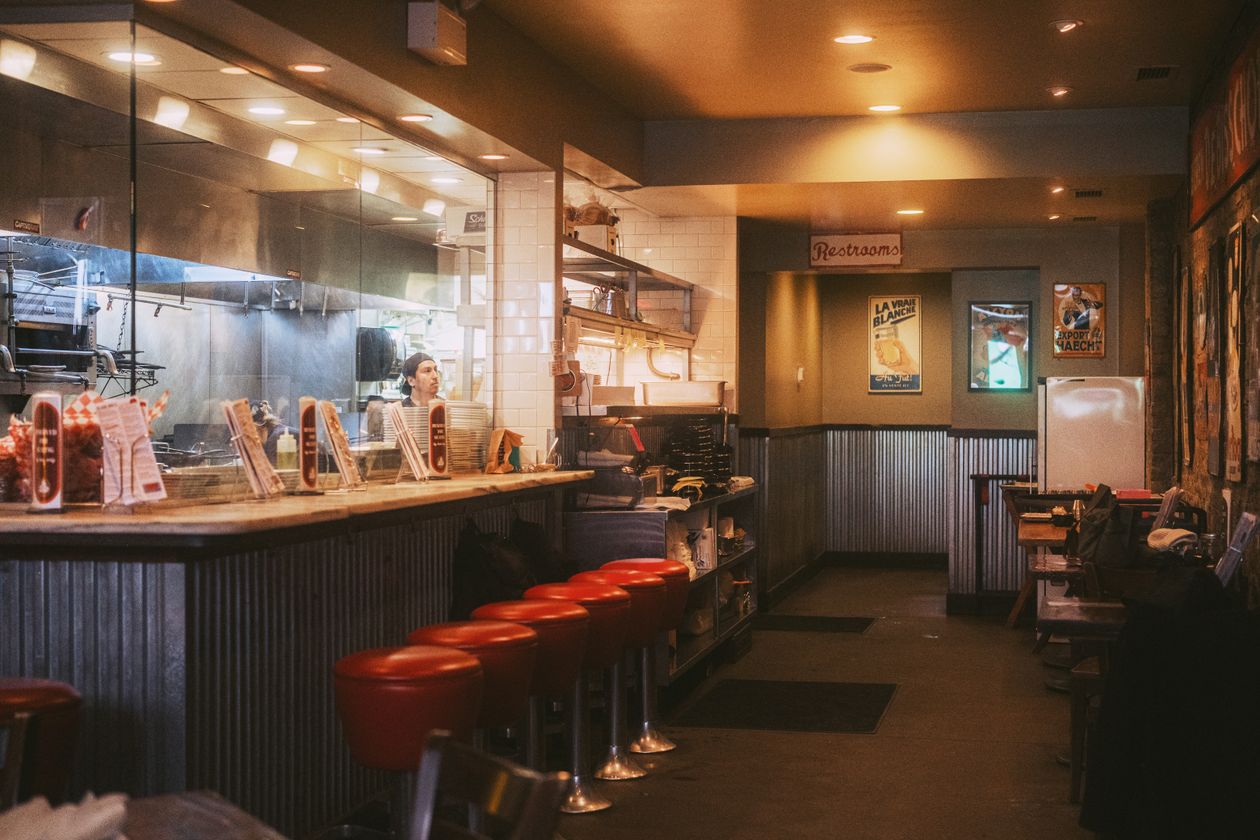
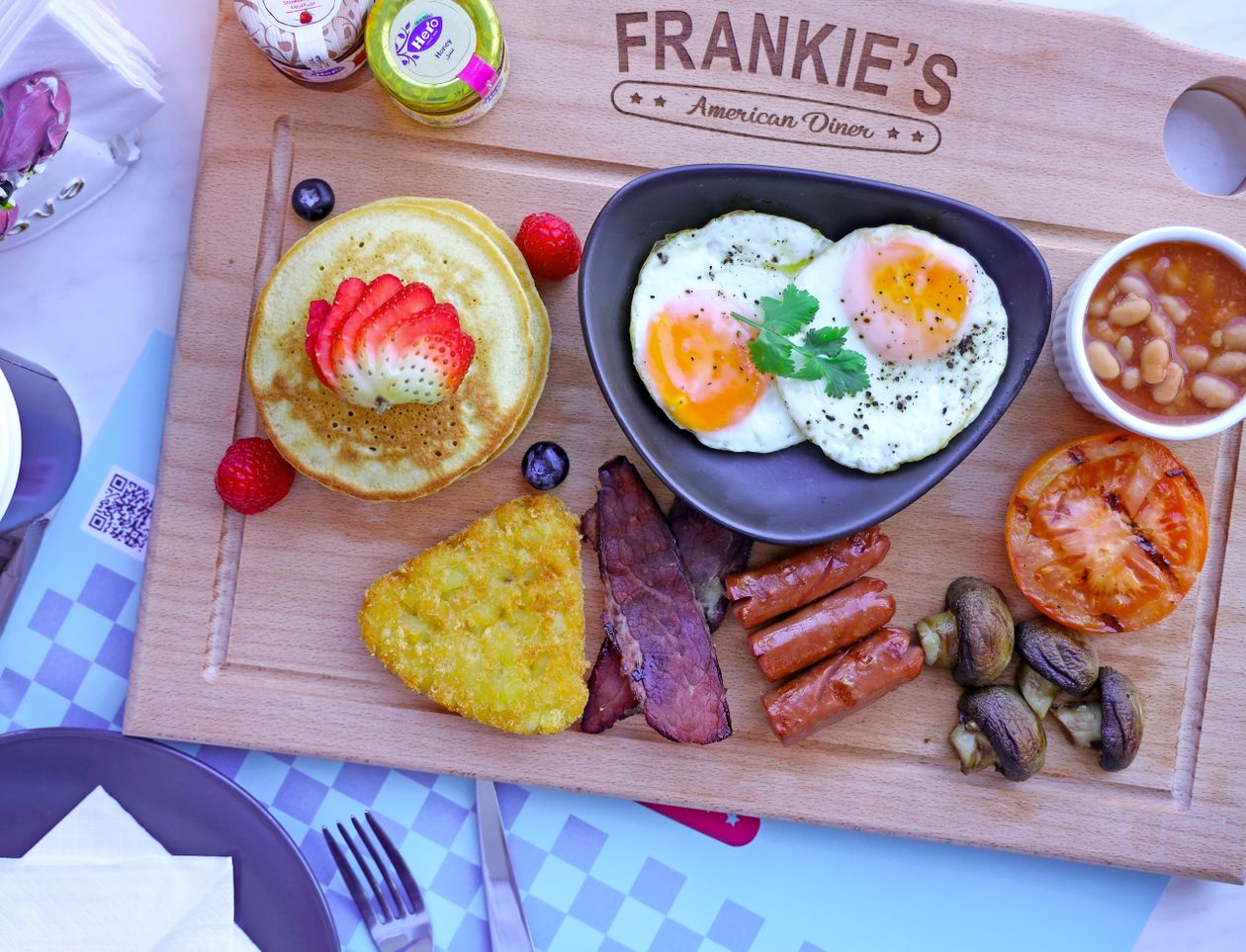
Photos in this guide are representative stock images.
← All guides from Johnny K's Restaurant← Back to Johnny K's Restaurant